On this page
The short version
- The most expensive part of modernisation has always been understanding what the old system does. AI is now very good at that.
- AI can read old code, document business rules and write tests far faster than people.
- Migrations still fail on hidden behaviour, messy data and big-bang switchovers.
- Replace one piece at a time, prove each piece works, and keep the old system running until you are sure.
Why this is suddenly possible
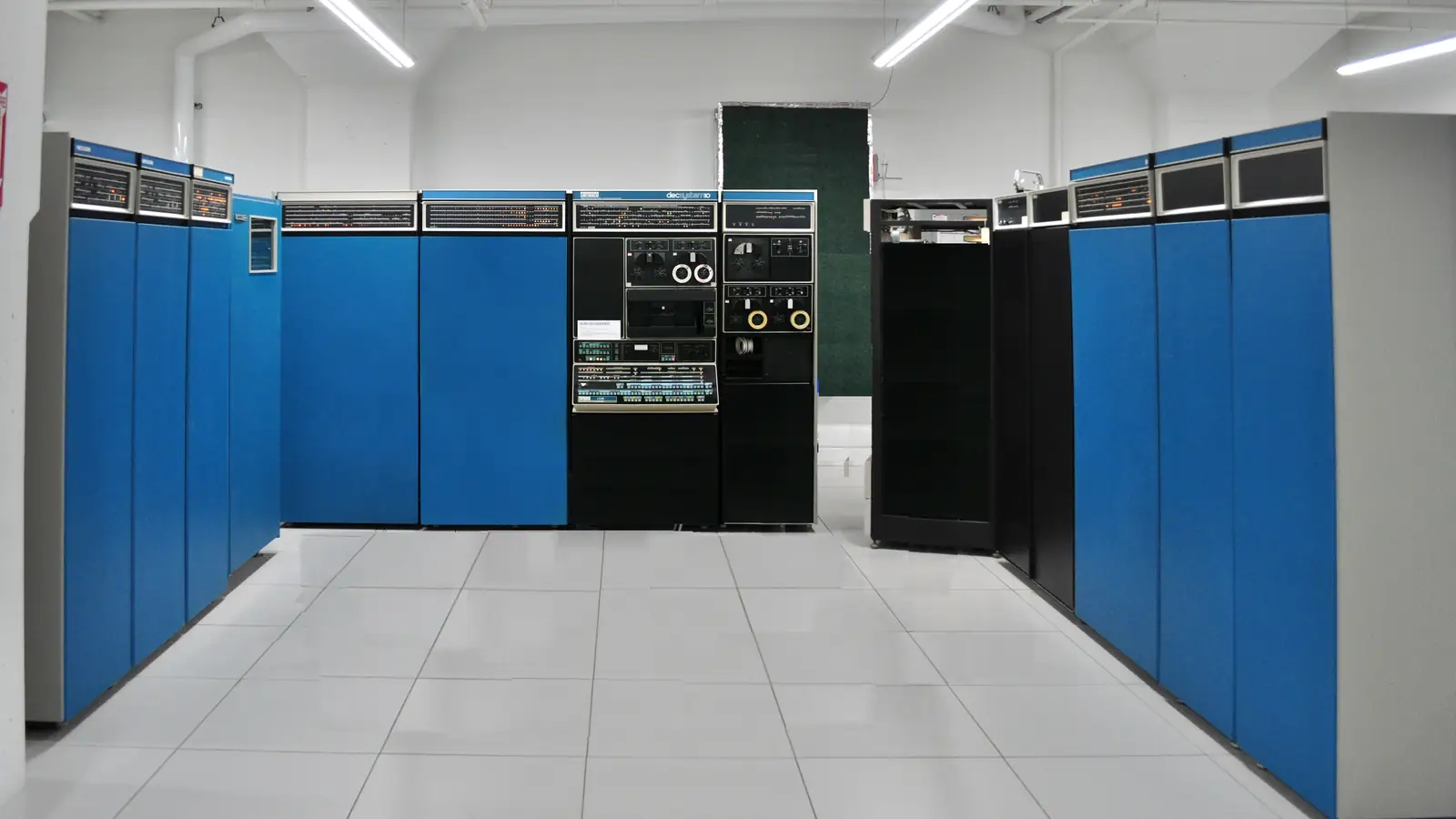
Almost every established organisation has one: a system written decades ago, often in COBOL or an old in-house framework, that still runs payroll, billing or the core of the business. The people who wrote it have retired, the documentation is thin, and everyone is afraid to touch it.
The cost of replacing such systems was never mainly the new code. It was the months of archaeology needed to understand the old code first. That is exactly where AI coding tools have become strong. Microsoft and GitHub have published how they use AI agents on COBOL migrations, IBM has built its own tooling, and in February 2026 Anthropic promoted Claude Code for the discovery and documentation stages of COBOL modernisation.
Where AI genuinely helps
- Reading code nobody remembersExplaining what each program does in plain language, including the odd corners that matter.
- Mapping dependenciesWhich programs call which, which files and tables they touch, and what breaks if one changes.
- Documenting business rulesTurning buried logic, like how a discount or a penalty is calculated, into a readable list that the business can check.
- Writing tests for today's behaviourTests that record what the old system does now, so you can prove the new one does the same.
- Drafting the new codeA fast first version of each replacement piece, for engineers to review, improve and own.
Where projects still fail
AI speeds up the understanding. It does not remove the reasons migrations go wrong:
- Hidden behaviour. Old systems often do things no one wrote down, like a month-end job that quietly fixes bad data. Miss it, and the new system is "correct" but the business breaks.
- Data. Decades of records with odd formats, duplicates and exceptions rarely move cleanly.
- The big-bang switch. Turning off the old system and switching on the new one in a weekend leaves no way back when something unexpected happens.
- Trusting the machine too much. AI-translated code can look right and still be subtly wrong. Every piece needs testing and review by people who understand the business.
Worth knowing: even Anthropic told Government Technology that its COBOL announcement described existing capability rather than a brand-new product. The tools help a lot; they are not magic.
A safer way to move
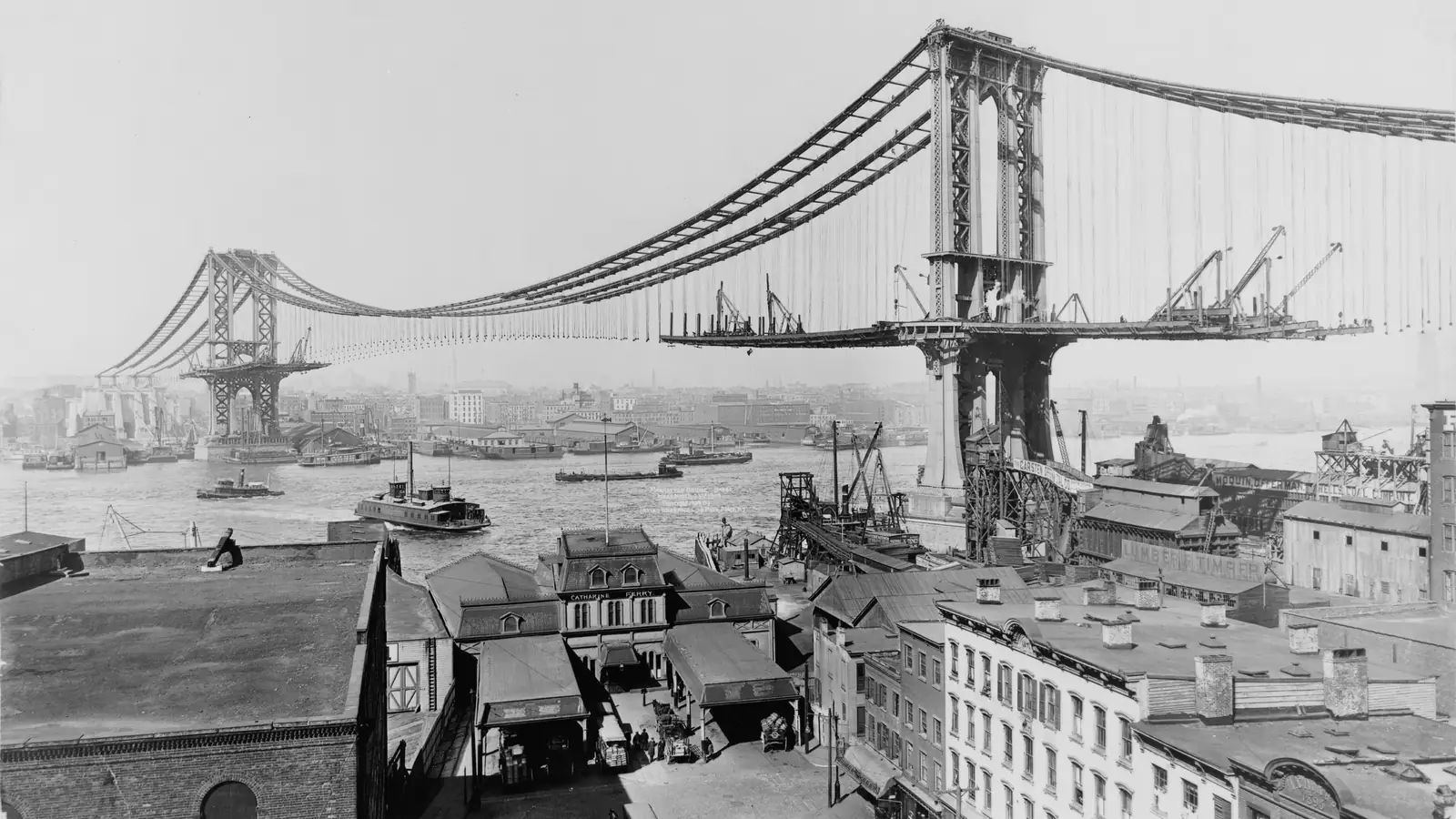
The approach that works best is the strangler fig, named by software author Martin Fowler after a tree that grows around its host until the host is no longer needed. Instead of one big switch, you replace the old system piece by piece.
- Step 1: UnderstandUse AI to document the system, map its dependencies and list its business rules. Have the business confirm the rules are right.
- Step 2: Capture behaviourWrite tests that record what the old system does today, including its quirks.
- Step 3: Put a front door in placeRoute requests through a layer that can send each one to the old system or the new one.
- Step 4: Replace one pieceStart with something valuable but low risk. Build it, test it against the old behaviour and run both side by side.
- Step 5: Switch, then repeatMove traffic for that piece to the new system, watch it closely, and move on to the next. Retire the old system only when nothing depends on it.
Questions people ask
Can AI convert COBOL to Java automatically?
AI can translate code and does it far faster than people, but a working, trustworthy system needs more than translated code. Business rules, data, integrations and edge cases still need people to understand and verify them.
Where does AI help most in modernisation?
In understanding the old system: reading code nobody remembers, mapping how parts depend on each other, documenting business rules in plain language and writing tests that capture what the system does today.
What is the strangler fig pattern?
A way of replacing a system piece by piece. New parts are built alongside the old one, traffic is gradually routed to them, and the old system shrinks until it can be switched off, like a fig tree that slowly grows around its host.
Why do legacy migrations fail?
Usually because of hidden behaviour nobody documented, data that does not move cleanly, a big-bang switchover, or expecting automation to replace understanding. Moving in small, tested steps reduces all four.
Should we rewrite or modernise in place?
It depends on the system. Often the best answer is in between: keep what works, wrap it with modern interfaces, and replace the parts that cause the most pain first.
Stuck with a system everyone is afraid to touch?
Geneki helps organisations understand, document and gradually replace legacy systems, with AI doing the heavy reading and people making the decisions.
Talk to usSources
- How we use AI agents for COBOL migration and mainframe modernization
- How GitHub Copilot and AI agents are saving legacy systems
- New AI tools aim to help agencies with COBOL problems
- Strangler Fig Application
Every legacy system is different. Treat this as a starting framework and plan the details with people who know your system and data.


_mainframe_computer_system_at_Living_Computer_Museum_(strongly_edited_image).jpg)
